
AFC Summer Newsletter 2026
/AFC Summer Newsletter
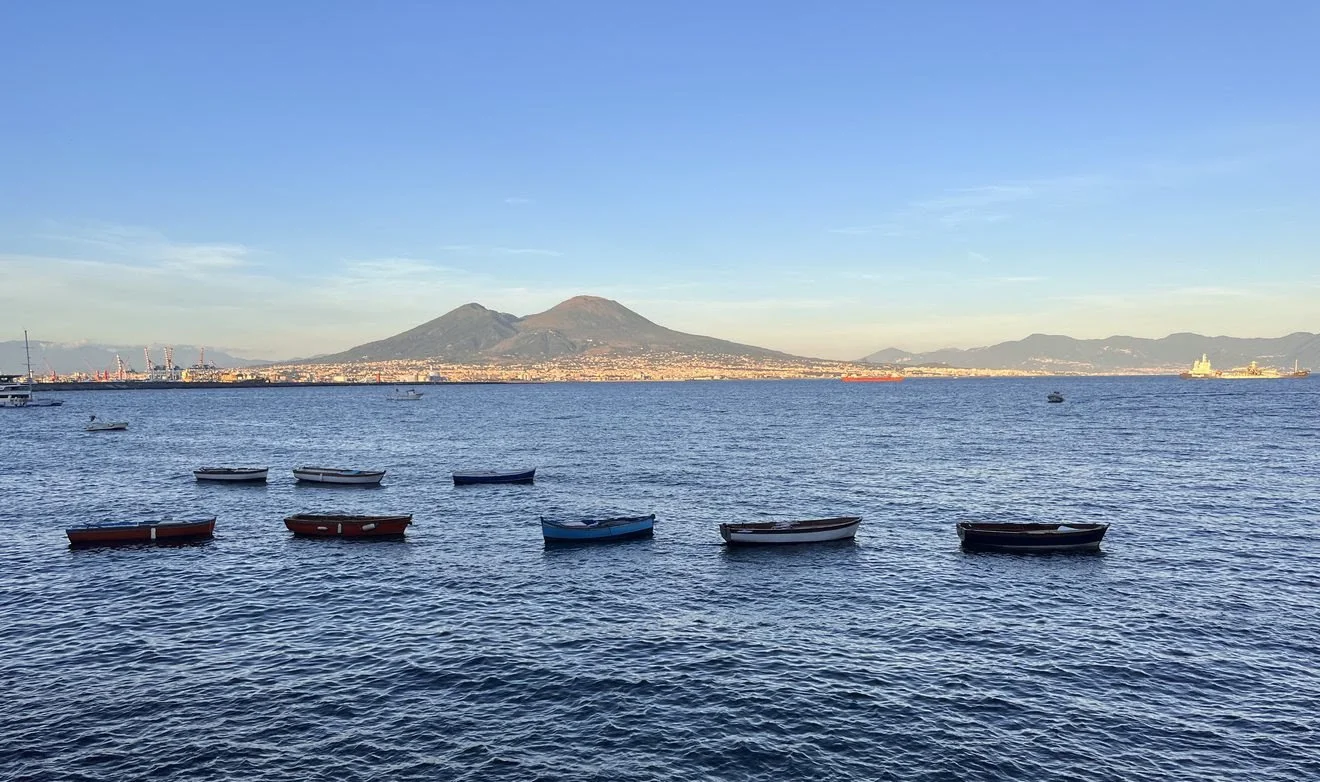
Vesuvius from the lungomare, June 2026. Photograph by AFC Postdoctoral Curatorial Fellow Gabriella Johnson.
Capodimonte Porcelain Wing Opens
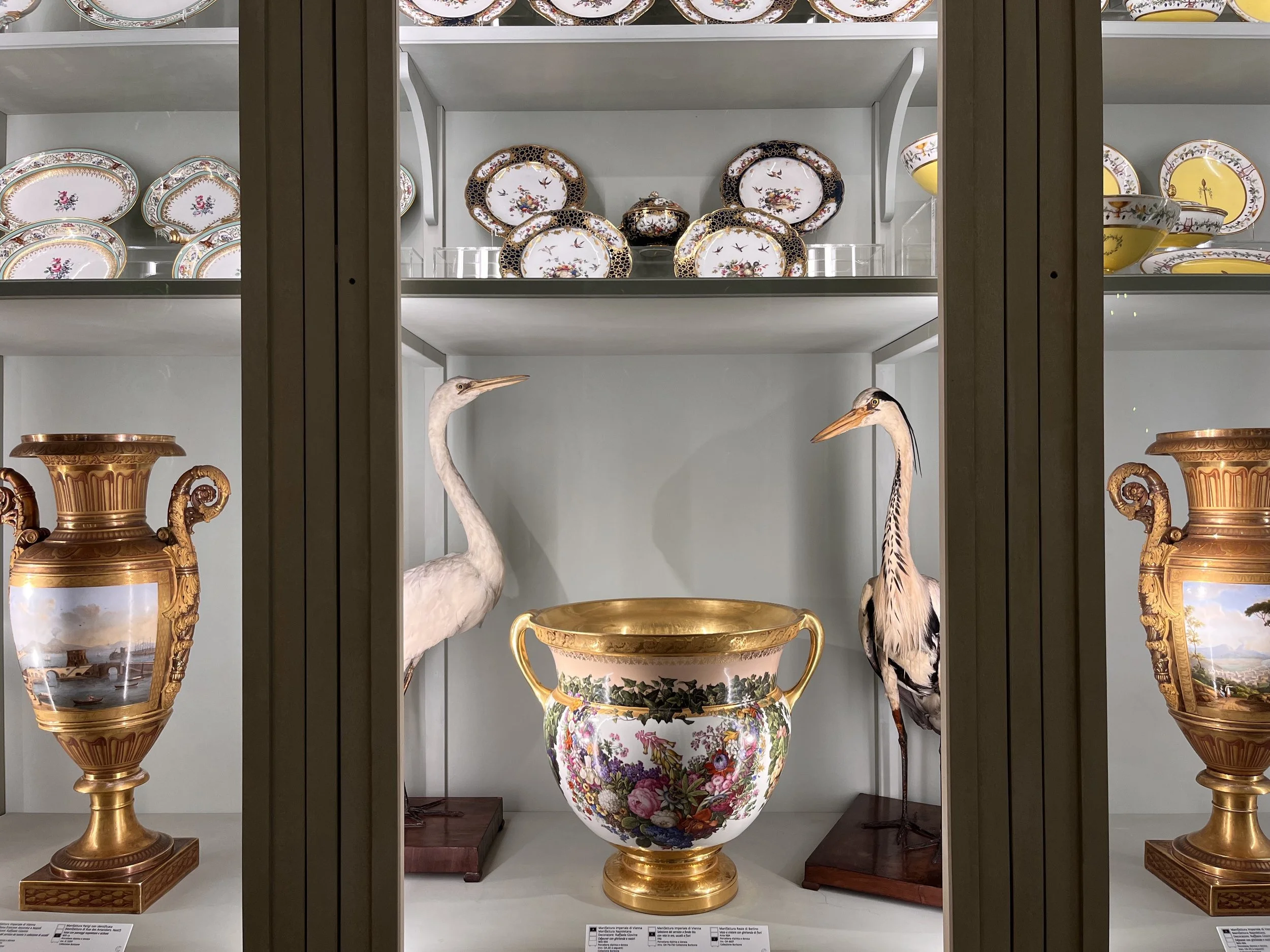
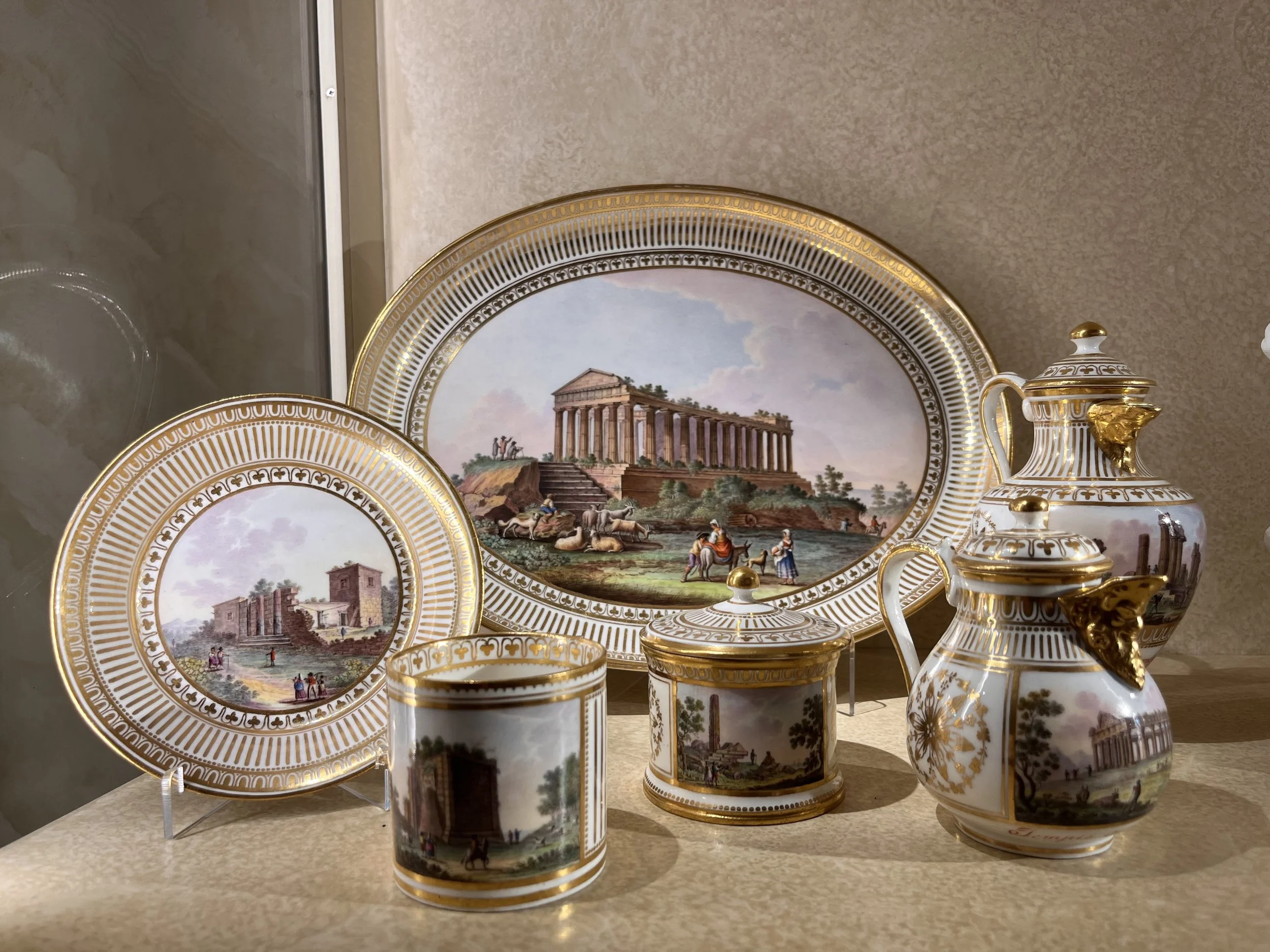
Last summer, Architectural Digest featured famed exhibition designer Federico Forquet efforts to reimagine, alongside Capodimonte’s decorative arts curators, sixteen galleries to house the museum’s important collection of porcelain. Many of these fragile pieces were commissioned directly by the Bourbons, Joachim Murat (during the “French Decade,” which saw Napoleon’s appointment of French rulers), and the Savoy (after the unification of Italy in 1861). Capodimonte’s association with porcelain began in 1743, when King Charles of Bourbon and his wife Queen Maria Amalia of Saxony founded a royal porcelain factory to produce, exclusively at their request, pieces that ranged from tableware sets to complicated ensembles reproducing, in miniature, famous statues by antique and Old Master sculptors. The royal porcelain factory also created the hundreds of pieces of chinoiserie porcelain decoration mounted on the walls of Maria Amalia’s boudoir in the Bourbon palace at Portici, near Herculaneum, which has since been transferred to Capodimonte and is on display to visitors in the new porcelain wing.
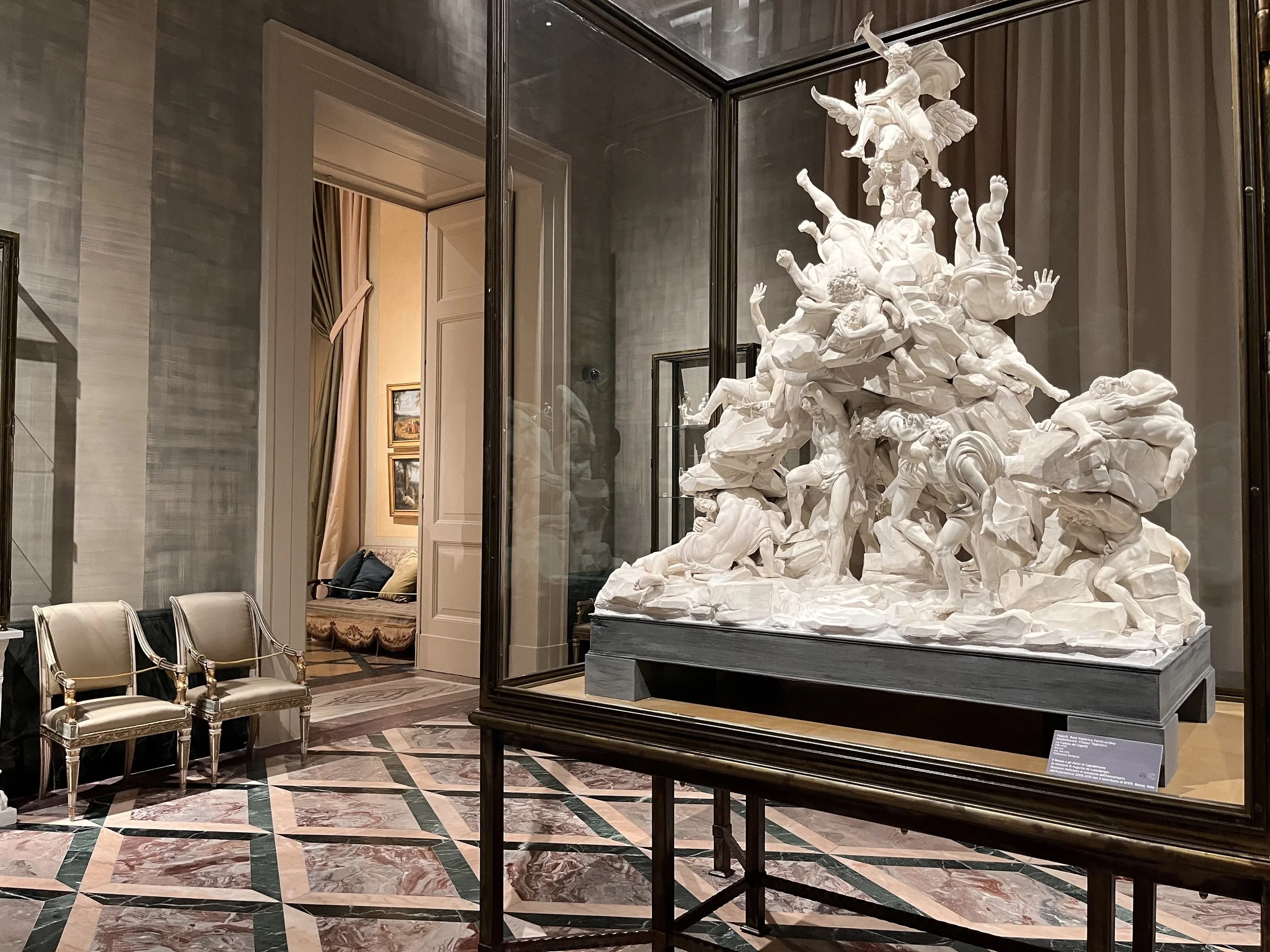
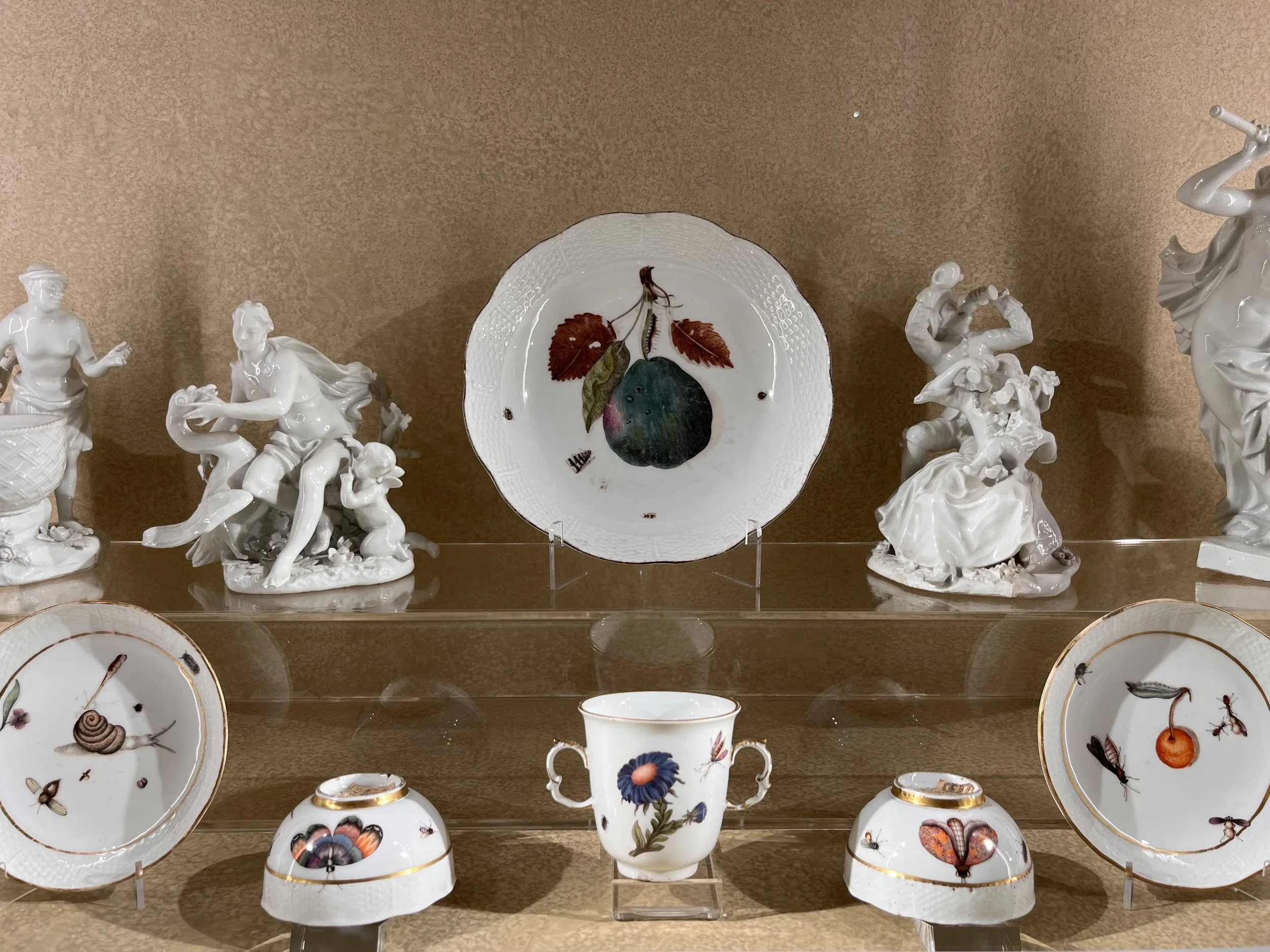
“When people hear ‘porcelain,’ they think of a vase,” Forquet says. “But no—it’s a world. It’s an entire universe.”
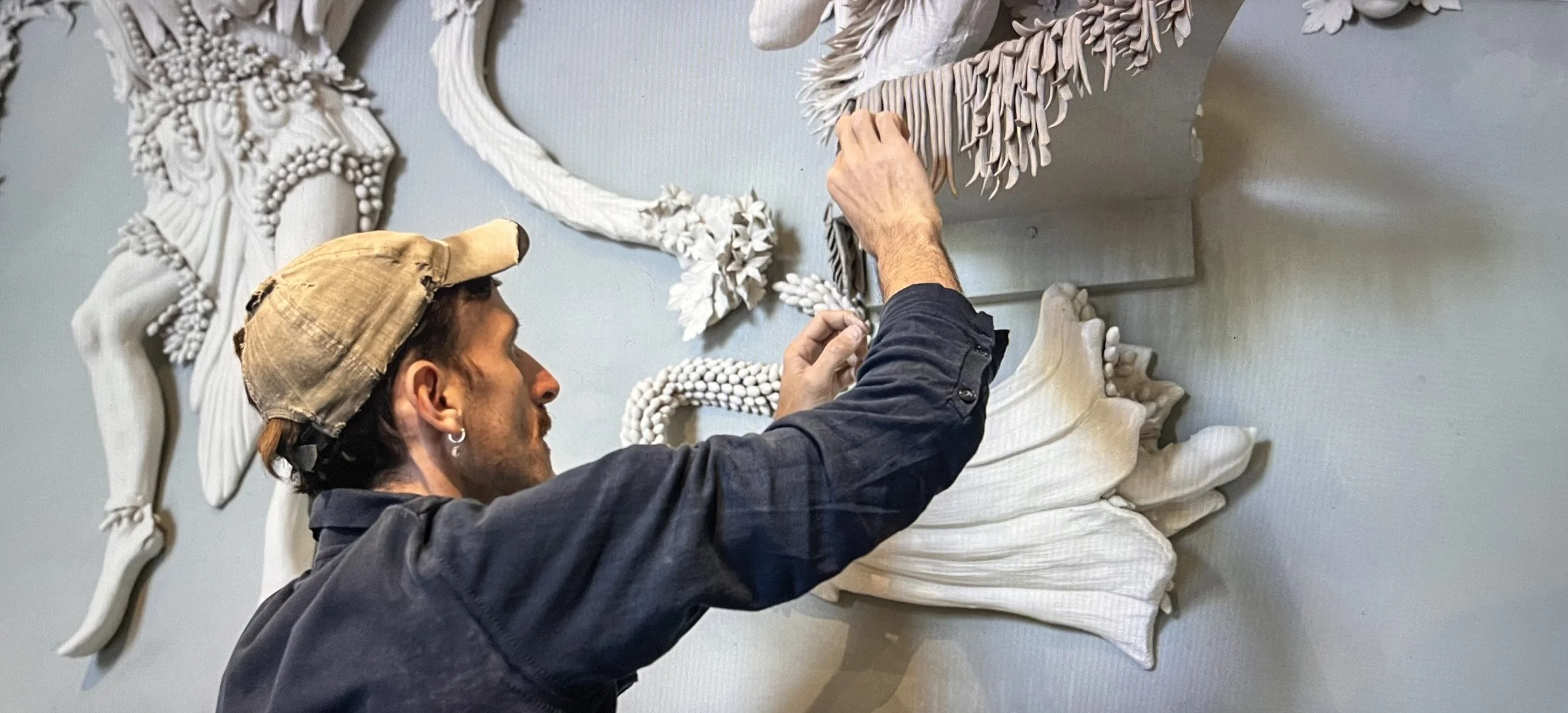
Neapolitan ceramicist Diego Cibelli’s site-specific installation, La fragilità del bosco amato, at the entrance of the porcelain wing asks visitors to think about legacies of porcelain-making, as each fragile piece mounted to the wall in a grand ensemble borrows from the tradition of making biscuit porcelain — a notoriously difficult medium vulnerable to defects due to fluctuating pressure and temperatures during the firing process. Cibelli’s cornucopia of fantastic creatures, humans, and vegetation borrows forms from and critically engages with Capodimonte’s porcelain collection.
Neapolitan ceramicist Diego Cibelli’s site-specific installation, La fragilità del bosco amato, at the entrance of the porcelain wing asks visitors to think about legacies of porcelain-making, as each fragile piece mounted to the wall in a grand ensemble borrows from the tradition of making biscuit porcelain — a notoriously difficult medium vulnerable to defects due to fluctuating pressure and temperatures during the firing process. Cibelli’s cornucopia of fantastic creatures, humans, and vegetation borrows forms from and critically engages with Capodimonte’s porcelain collection.
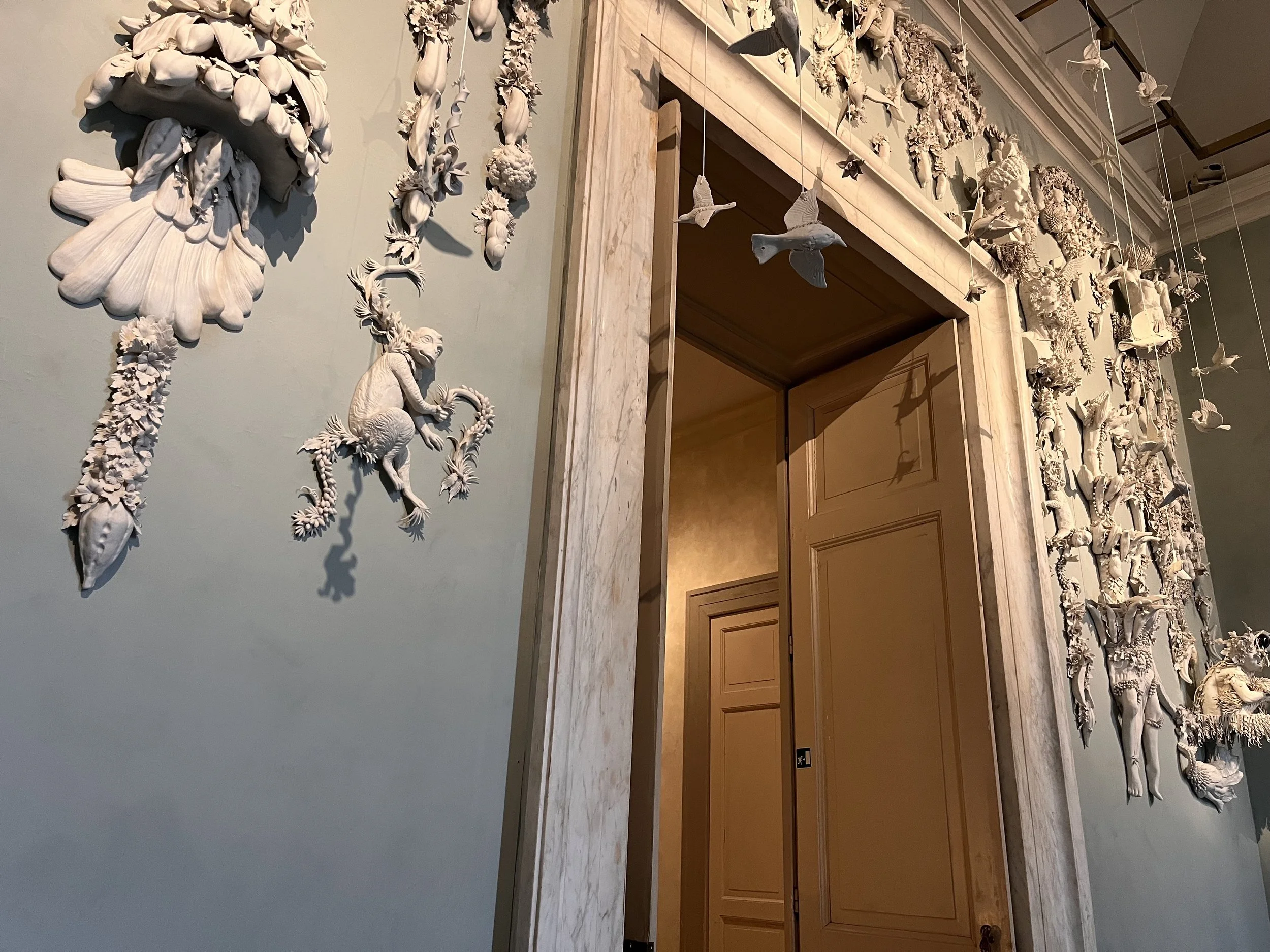
Diego Cibelli, La fragilità del bosco amato, at the entrance to the porcelain galleries, first floor.
Cibelli’s dialogue with Capodimonte’s storied tradition of porcelain making continues inside the galleries in pieces that reimagine iconic eighteenth-century works. Drawing from Four Curly-haired Dogs made in King Ferdinand of Bourbon’s royal factory (1790-1800), Cibelli’s La favola inizia sempre con una metamorfosi (Fairytales always begin with metamorphosis, 2026) brings traditional biscuit porcelain into the realm of fantasy and imagination.
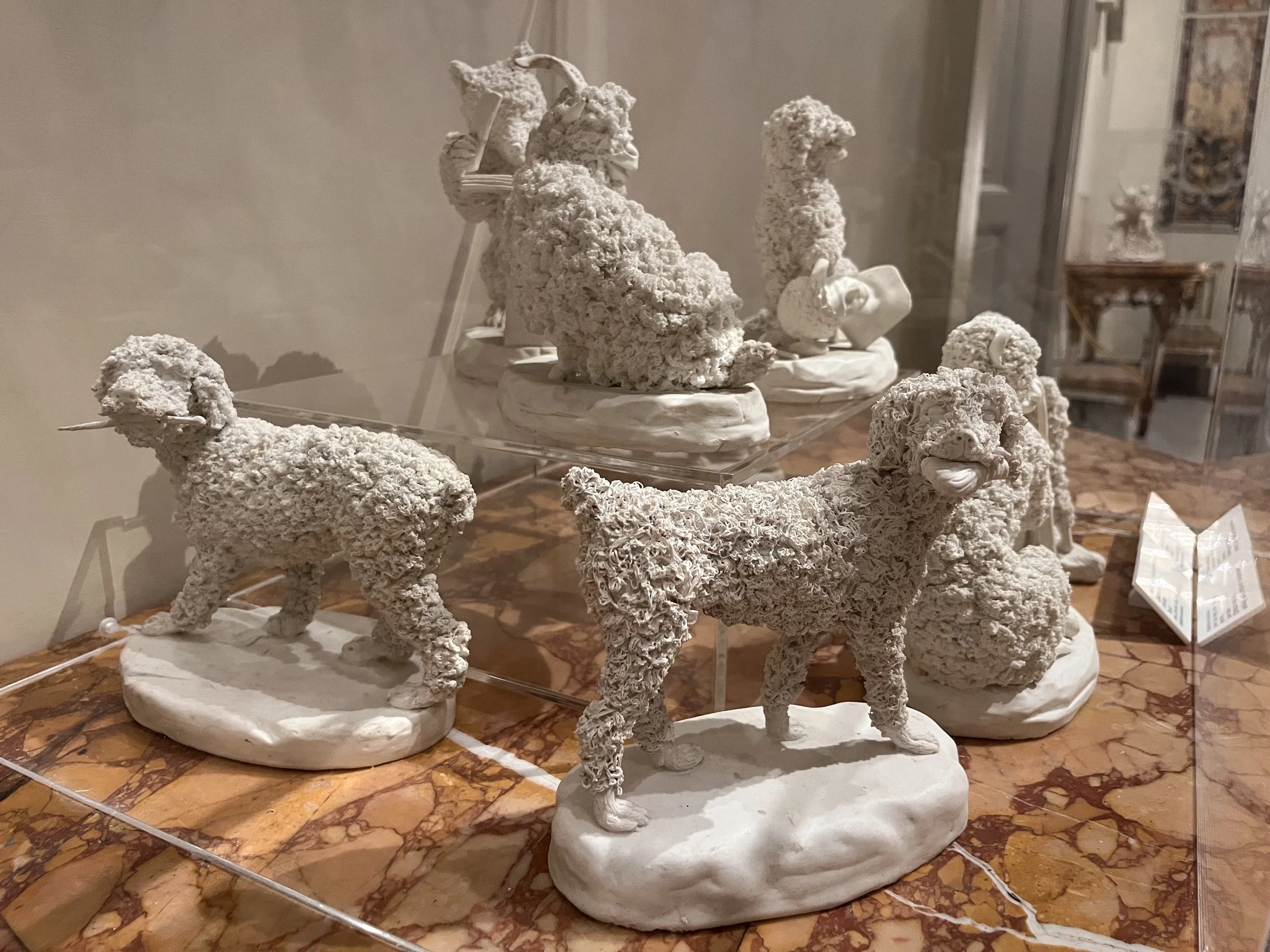
Real Fabbrica Ferdinandea, Four Curly-Haired Dogs, 1790-1800. Biscuit porcelain. Bourbon Collection, Capodimonte.
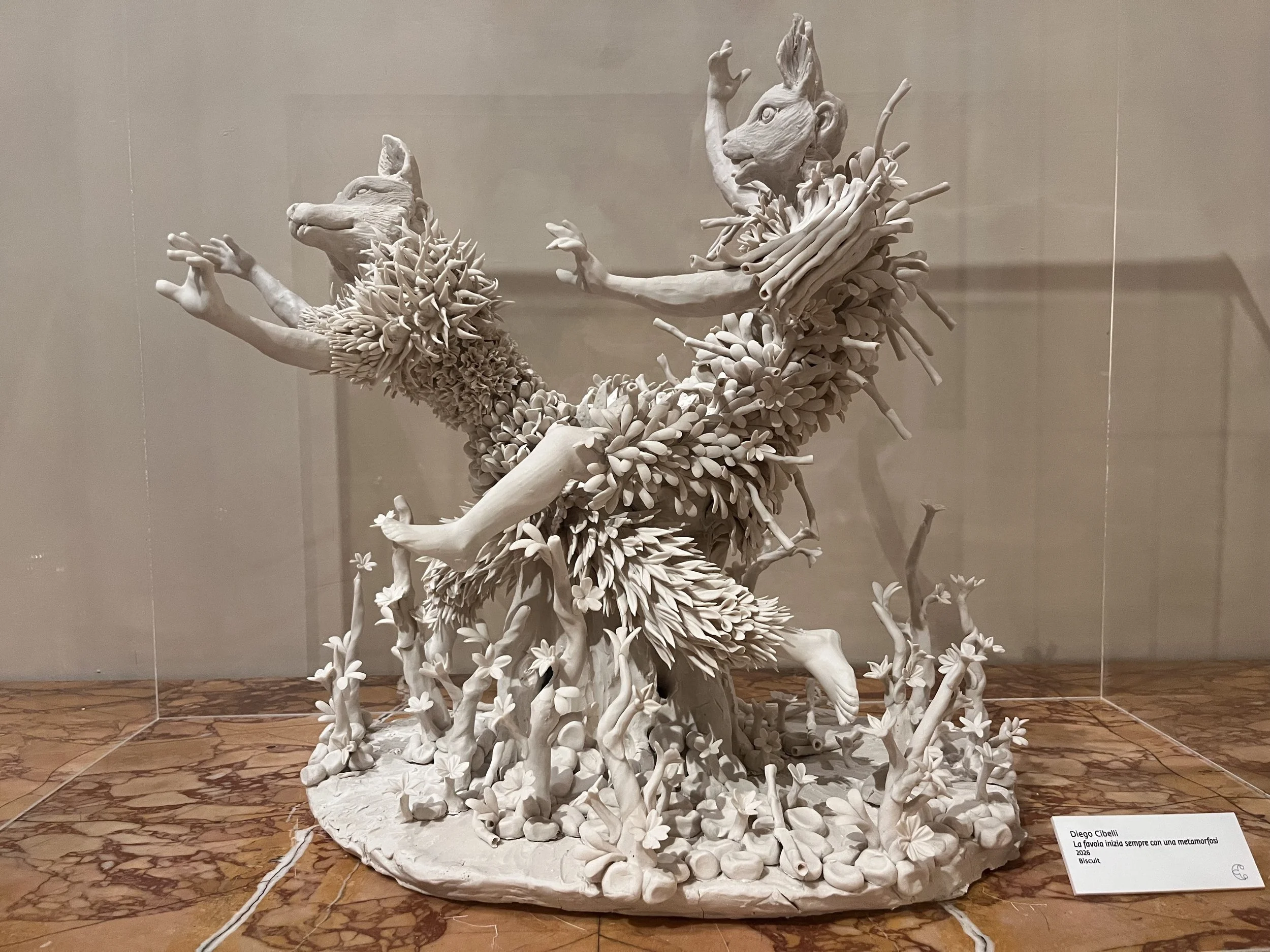
Diego Cibelli, Una favola inizia sempre con una metamorfosi, 2026. Biscuit porcelain. Capodimonte.
Click here to learn more about the new galleries.
Write to AFC Postdoctoral Fellow Gabriella Johnson at fellow@americanfriendsofcapodimonte.info to arrange a special visit!
Report from the Real Bosco di Capodimonte: AFC Senior Fellow Kimberly Schenck in Naples
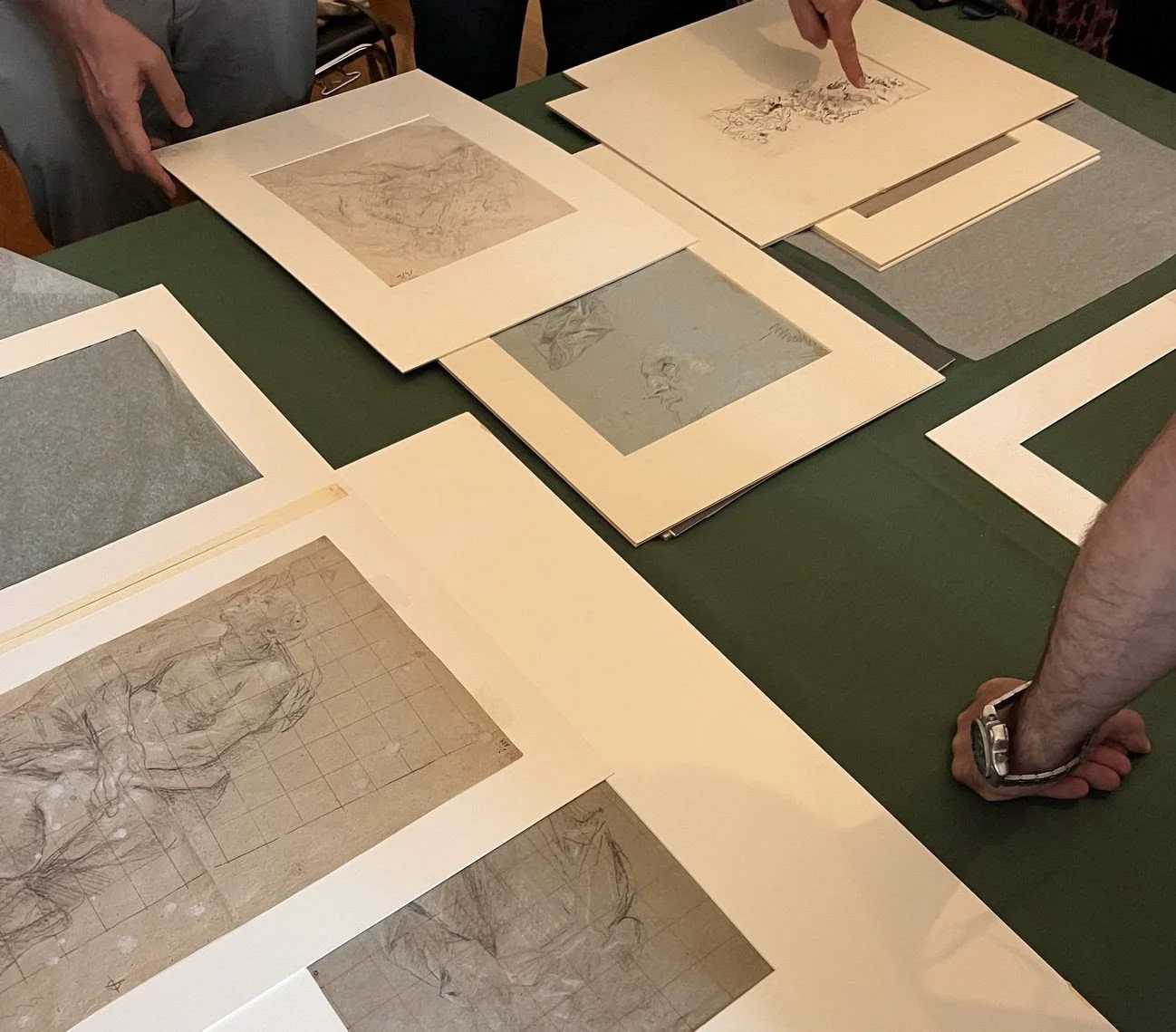
“In spring 2026, I returned to the Capodimonte Museum as the AFC senior fellow to assist curator Vincenzo Stanziola with preserving the museum’s rich collection of prints and drawings. While last spring I worked primarily with the Carlo Firmian print collection, this year I focused on the Corpus Lanfranco—a collection of over 450 drawings mostly by the Baroque artist Giovanni Lanfranco (1582, Parma – 1647, Rome). Systematically I went through the portfolios repairing tears and removing sticky tape residues from the drawings, re-assembling any broken mats (passe-partout), and studying the papers and media.
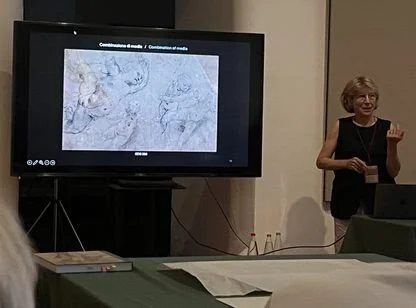
I shared my study of Lanfranco’s drawing materials at the workshop Collezionismo, Materialità e Attribuzioni: Ricerche nel Gabinetto dei Disegni e delle Stampe di Capodimonte. Lanfranco used a range of papers in quality and color from beautifully made blue and white papers to brown and grey sheets riddled with numerous fiber clumps and bits of thread. Examining many drawings by one artist in one location is an exceptional treat. One of my favorite conservation projects was the repair of a black chalk drawing on blue paper. On the opposite side of the sheet lay sketches in corrosive iron gall ink that had penetrated to the front and caused major breaks in the paper. To prevent these breaks from worsening, I adhered narrow strips of thin Japanese tissue, tinted with color, to bridge the gaps. A drawing currently attributed to Giorgio Gandini del Grano from the Farnese Collection with similar ink problems required more extensive treatment.
Thank you to the AFC and Capodimonte Director Eike Schmidt.”
— Kimberly Schenck, Paper Conservator, AFC Senior Fellow
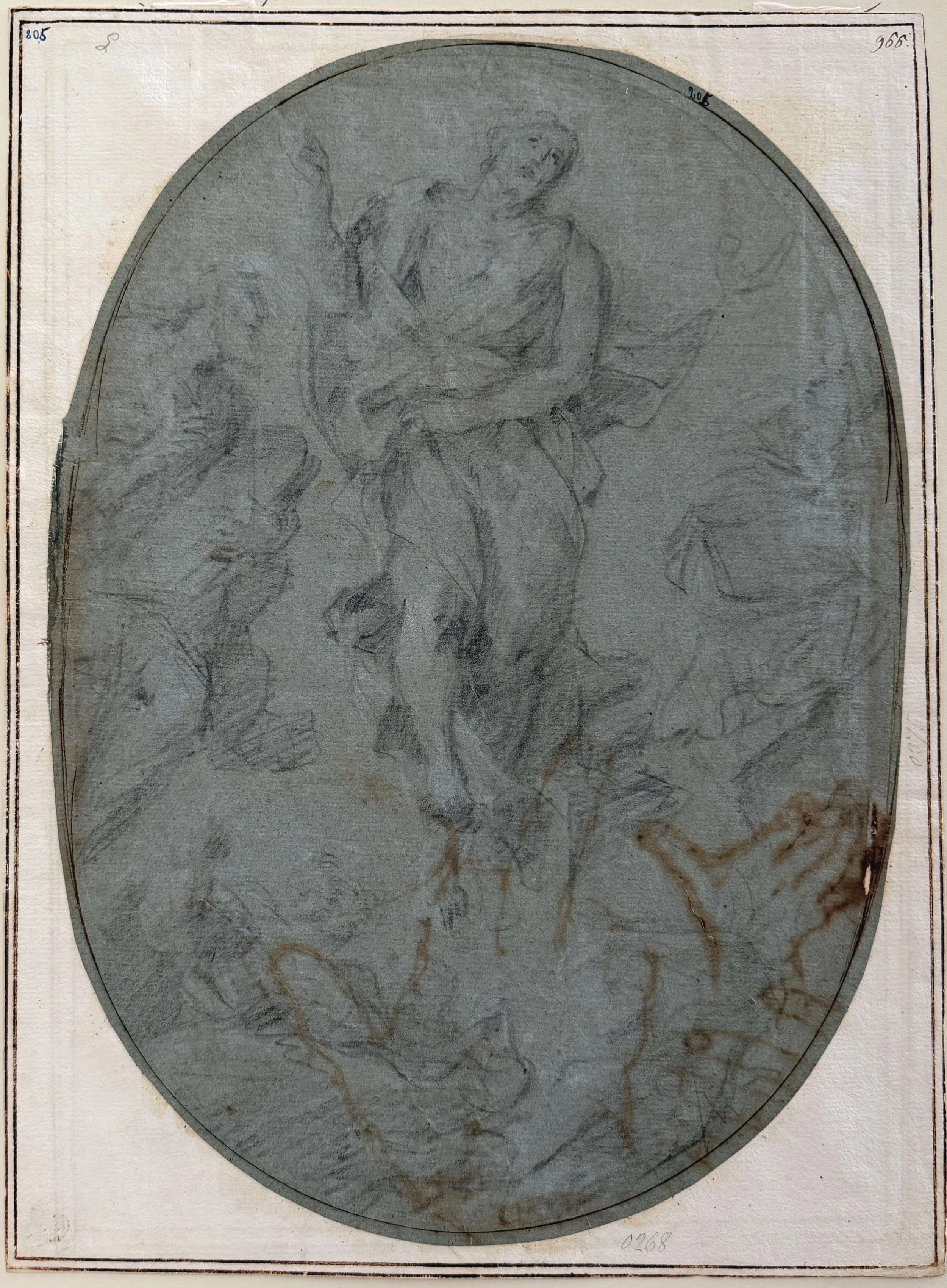
One of Kim’s projects, a Giovanni Lanfranco drawing in black chalk on blue paper, with sketches on the vero in corrosive ink.
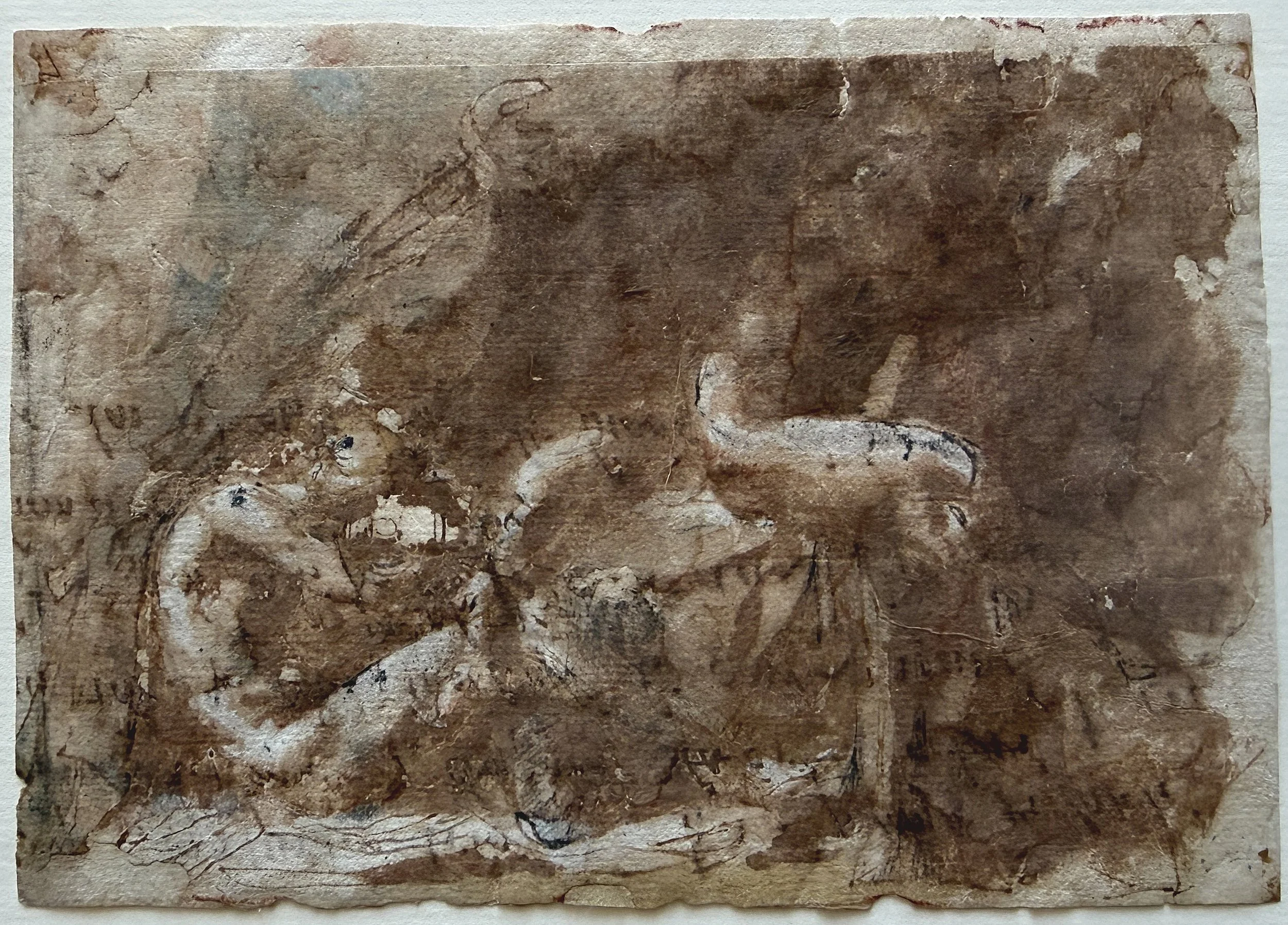
Kim also restored a drawing attributed to Giorgio Gandini del Grando from the Farnese Collection.
**At the workshop, former AFC Fellow Emma de Jong also presented her research on the Firmian Collection.
Collection Highlight: Giacinto Gigante’s Chapel of San Gennaro
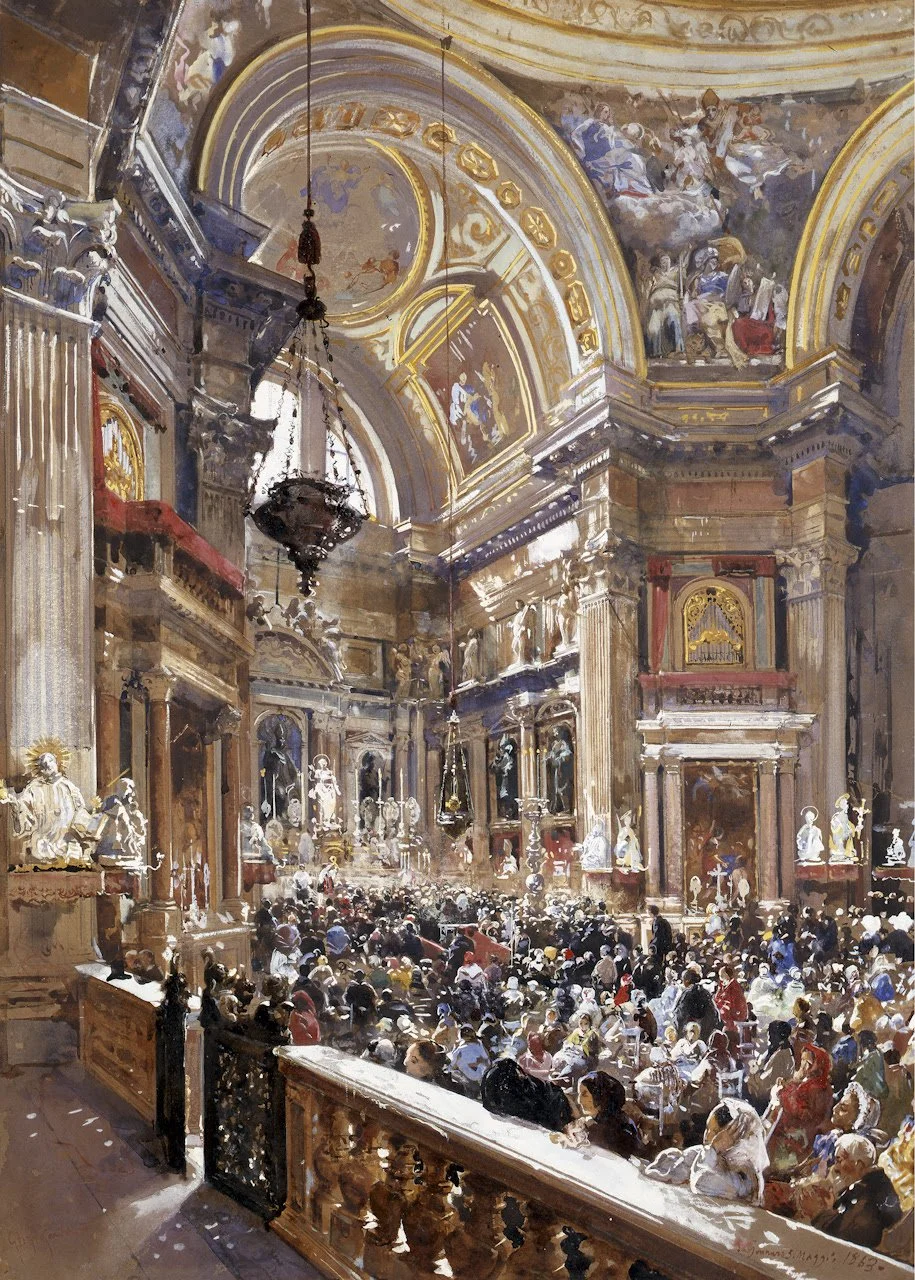
Giacinto Gigante, Chapel of San Gennaro [St Januarius], May 5, 1853. Watercolor. Naples, Museo di Capodimonte.
Commissioned by king Vittorio Emanuele II in 1860 and completed three years later, Giacinto Gigante’s grand-format watercolor bears an inscription at the bottom right that marks the cause for celebration – “S. Gennaro 5 maggio 1863” – one of the three feast days of Gennaro, martyred archbishop of Benevento and patron of Naples. Gigante, leader of the Scuola di Posillipo (School of Posillipo), turns his eye from the Gulf of Naples to the one of the most sacred sites in the city, the Cappella di San Gennaro (Chapel of St Januarius) in the Duomo di Santa Maria Assunta, which houses ampules of the saint’s blood.
Gigante’s painterly use of pure color becomes the pictorial language of the miraculous, as the archbishop raises a reliquary containing Gennaro’s liquefied blood – a sign of the saint’s continued intercession. This important moment is almost lost in the expanse of the crowd and grandeur of the chapel, heightened by a low vantage point near the entrance. As in Gigante’s landscapes, natural light floods the composition in sun-filled touches that transform the chapel into a space of jubilee. Brilliant white light enlivens the highly reflective silver statues of other city patrons lining the walls, creating a playful aesthetic dialogue between both plastic and living presence as they collectively witness the annual miracle.
This short excerpt is an English translation from one AFC Postdoctoral Fellow Gabriella Johnson’s contributions to a catalogue that will accompany a temporary exhibition of nineteenth-century painting opening at Capodimonte this fall.
Click here to learn more about Gabriella on the AFC website and follow her updates from Capodimonte on Instagram: @american_friends_capodimonte.
Updates from Former AFC Senior Fellow Claire Van Cleave (2020-2021)
The English edition of Claire’s book The Farnese Drawings Collection was published by Editori Paparo in Naples in June 2025. She has presented the book in New York, London, and at a very special event at the Palazzo Farnese, Rome in September 2025. This event, organised to celebrate the 150th anniversary of the École Française de Rome which has been located in the French embassy since its foundation, was overseen by departing Ambassador Martin Briens.
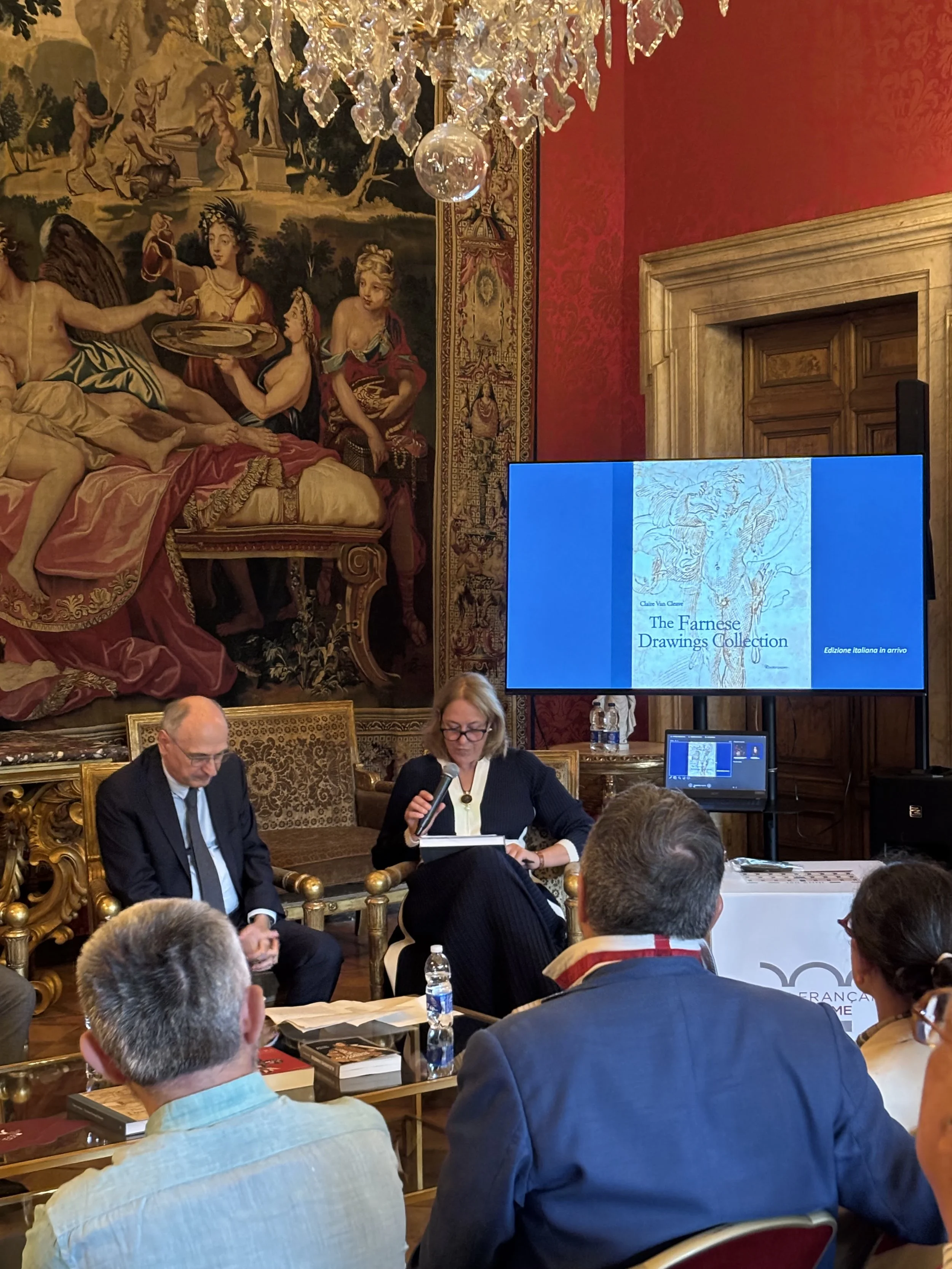
Claire presenting her book, The Farnese Drawings Collection, at the Palazzo Farnese, Rome
Claire reports, “It was thrilling to be able to introduce my book in the very palace where these drawings were kept and to speak out loud the names of the protagonists of their collecting who were once household names within those walls.”
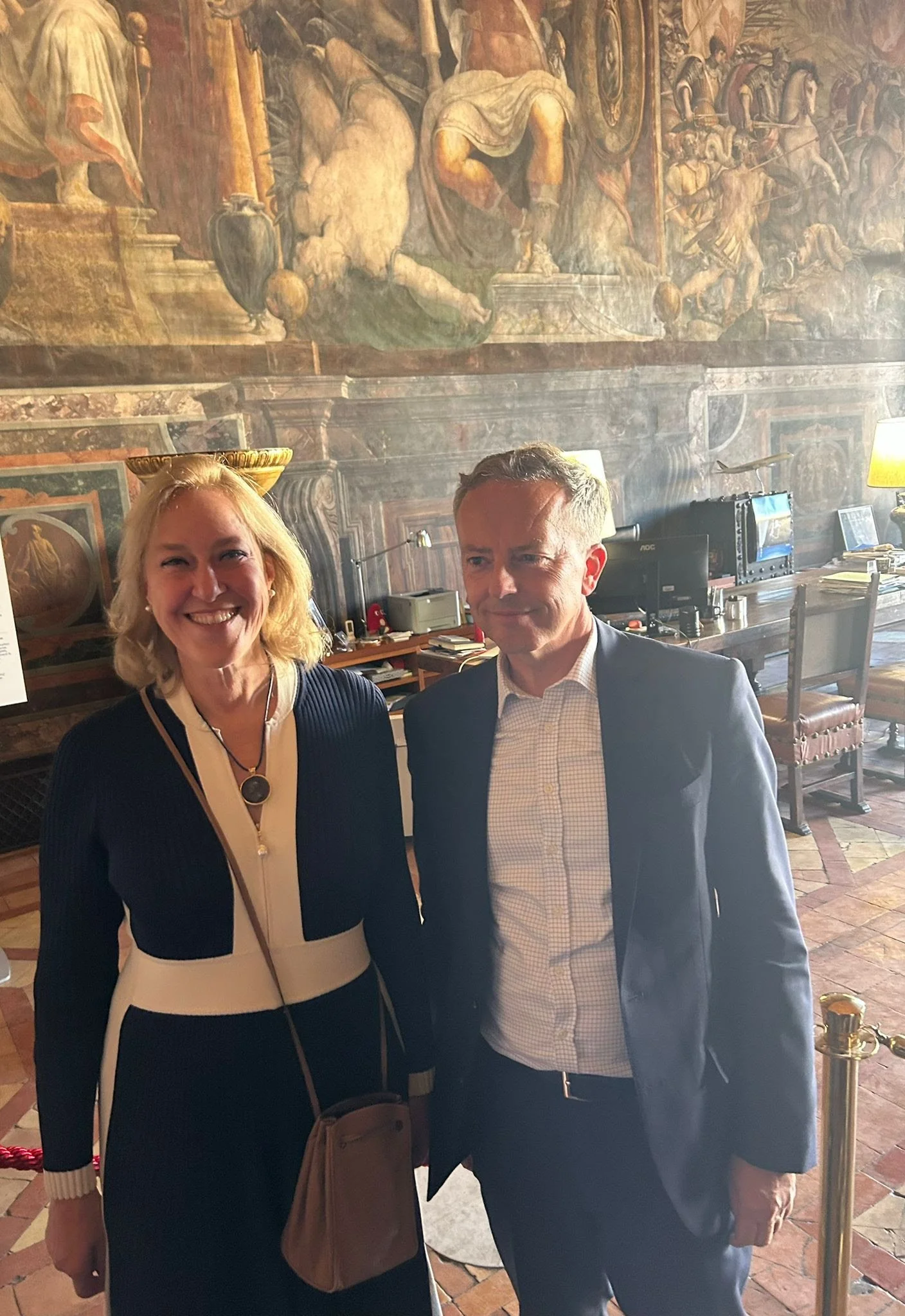
Claire with former Ambassador Martin Briens, in his office in the Palazzo Farnese